Steps to Take After an Accident and How to Preserve Evidence
Act Quickly and Stay Safe
In the moments after an accident, your first priority is safety. If anyone is injured, call 999 for an ambulance. If the scene is unsafe, move to a safe location if you can do so without causing further harm. Turn on hazard lights and set up warning triangles if you have them and it is safe to do so. Do not admit fault or apologise for the incident, even if you feel you may have contributed. Stick to the facts when speaking to others at the scene. Your aim is to ensure everyone receives medical attention and to begin collecting information that will matter later, especially if you decide to pursue a Scottish injury claim.
Call the Police if Needed
In Scotland, you must report a road traffic accident to the police within 24 hours if someone was injured or if the vehicles caused an obstruction. Even for minor collisions, it is wise to inform the police. They will attend the scene, take statements, and create an accident report. This report can become a critical piece of evidence, as it provides an official record of the incident. Ask for the incident number and the name of the officer attending. Keep this information safe.
Record the Scene Yourself
Before vehicles are moved or the scene changes, use your phone to take photographs and video. Capture the position of the vehicles, any damage, skid marks on the road, debris, and the surrounding environment, including road signs, traffic lights, and weather conditions. Photograph the other vehicle's number plate and the damage from multiple angles. If there are visible injuries, photograph them, but be respectful and avoid causing distress. Write down the exact time, date, and location of the accident. A notebook or a notes app on your phone works well for this. The more detail you capture, the easier it will be to reconstruct the event later.
Exchange Information with Others
You should exchange details with the other driver or drivers involved. Get their full name, address, phone number, insurance company and policy number, and vehicle registration. Also note the make, model, and colour of their vehicle. If the driver is not the owner, ask for the owner's details too. If there are pedestrians or other parties involved, collect their contact information as well. Do not rely on memory; write everything down while it is fresh.

Find Witnesses
Witnesses can make a significant difference in establishing liability. Look around for anyone who saw the accident happen. This might include other drivers, passengers, pedestrians, or shopkeepers nearby. Ask for their name and phone number, and ask if they would be willing to provide a brief witness statement. If they agree, write down what they say in their own words, or ask them to write it themselves. A witness statement that is recorded soon after the event is more reliable than one given weeks later. Even if you think the accident was clearly the other party's fault, independent witnesses add weight to your version of events.
Seek Medical Attention
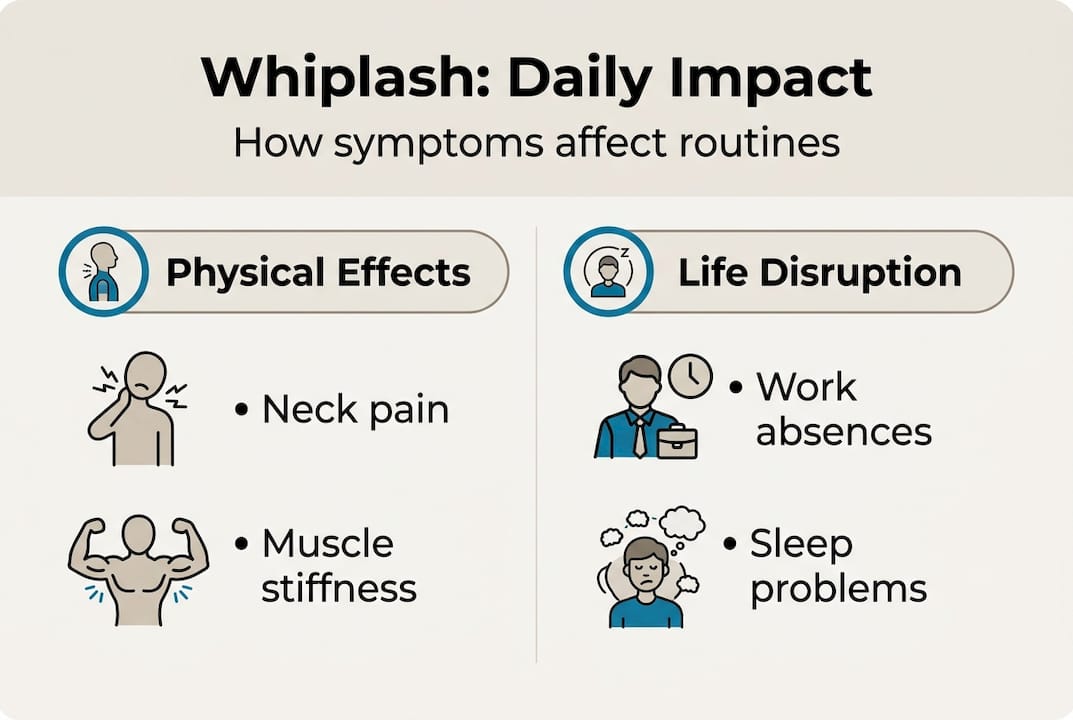
Even if you feel fine immediately after the accident, some injuries, such as whiplash or concussion, may not show symptoms for hours or days. Visit a GP or a hospital emergency department as soon as possible. Tell the doctor exactly what happened and describe any pain or discomfort, even if it seems minor. Ask for a copy of your medical notes or a summary of your examination. This medical evidence is essential for any personal injury claim, as it links your injuries directly to the accident. Keep all prescriptions, referral letters, and appointment records. If you later decide to make a claim, your solicitor will need these documents to demonstrate the extent of your injuries and the treatment you received.
Notify Your Insurance Company
Contact your own insurance provider as soon as you can, even if you do not intend to claim. Most policies require you to report any incident that could lead to a claim. Give them the basic facts: the date, time, location, and the details of the other driver. Do not speculate about fault or liability. Your insurer will open a file and may ask for copies of your photographs and the police report. Follow their instructions, but be aware that your insurance company's interests may not align perfectly with your own. If you are considering a personal injury claim, it is wise to seek independent legal advice before accepting any settlement or making a recorded statement to the other party's insurer.
Keep a Diary of Your Recovery
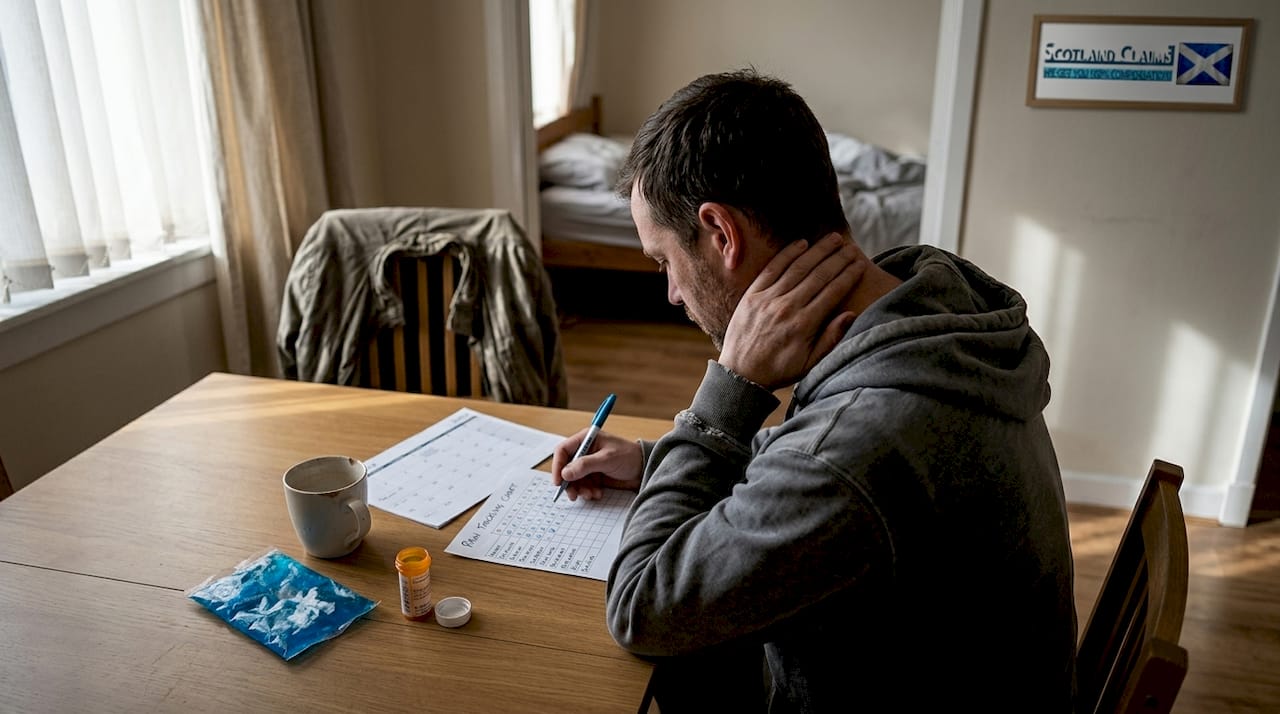
As days and weeks pass, your injuries may evolve. Keep a written diary noting how you feel each day, what activities you cannot do, and how the injury affects your work, sleep, and daily life. Record any pain levels, medication taken, and visits to healthcare professionals. This diary serves as a personal record and can later be used to demonstrate the impact of the injury on your quality of life. It is especially useful if your symptoms last a long time or if there is a dispute about the severity of your injuries. A consistent diary carries more weight than a vague recollection months later.
Understand the Claim Deadline
In Scotland, the time limit for making a personal injury claim is generally three years from the date of the accident, or from the date you first became aware of your injury. This is known as the limitation period. If you miss this deadline, you may lose your right to compensation entirely. There are exceptions for children and those with certain mental incapacities, but for most adults, the clock starts ticking from the day of the incident. It is wise to begin the claims process as soon as possible, while evidence is fresh and witnesses can still be located. A solicitor can advise you on the exact deadline that applies to your situation.
Consult a Solicitor Early
Before you submit any formal claim notification or accept any offer from an insurance company, speak with a solicitor who specialises in personal injury law. They can review the evidence you have collected and advise you on the strength of your case. Many solicitors offer a free initial consultation and work on a no win no fee basis, which means you do not pay upfront legal costs. In Scotland, firms like Scotland Claims Injury Lawyers help people pursue compensation for whiplash and other personal injuries through no win no fee legal support. Speaking with a solicitor early can help you avoid common mistakes, such as accepting a low settlement or failing to preserve key evidence.
When you meet with a solicitor, bring all the evidence you have gathered: photographs, witness statements, the police report, medical records, and your diary. They will assess whether liability is clear and what your claim might be worth. They can also handle communication with the other party's insurer on your behalf, which can reduce stress and prevent you from saying something that could harm your case. A solicitor will also ensure that your claim is submitted within the legal deadline and that all necessary paperwork is completed correctly.
If your injuries are straightforward and liability is not disputed, you may be able to settle the claim without going to court. However, if the other party disputes liability or the extent of your injuries, your solicitor may recommend proceeding to litigation. Having a solicitor experienced in Scottish personal injury law, such as Scotland Claims Injury Lawyers, can make a significant difference in the outcome of your case. They understand the specific rules and procedures that apply in Scotland, and they can navigate the claims process on your behalf.
Keep Copies of Everything
Throughout the entire process, make copies of every document you receive or send. This includes emails, letters, medical reports, receipts for expenses related to your injury (such as travel to appointments or prescription charges), and any correspondence from insurance companies. Store physical copies in a folder and digital copies in a secure cloud service or on your computer. Having a complete file makes it easier for your solicitor to build your case and ensures you do not overlook important evidence. It also protects you if a document goes missing or if there is a dispute about what was said or agreed.
Preserving evidence is not just about proving fault. It is also about demonstrating the full impact of the accident on your life. A well-documented case gives your solicitor the strongest possible position when negotiating a settlement or presenting your case in court. By following these steps, you give yourself the best chance of a fair outcome and a smoother recovery process.